
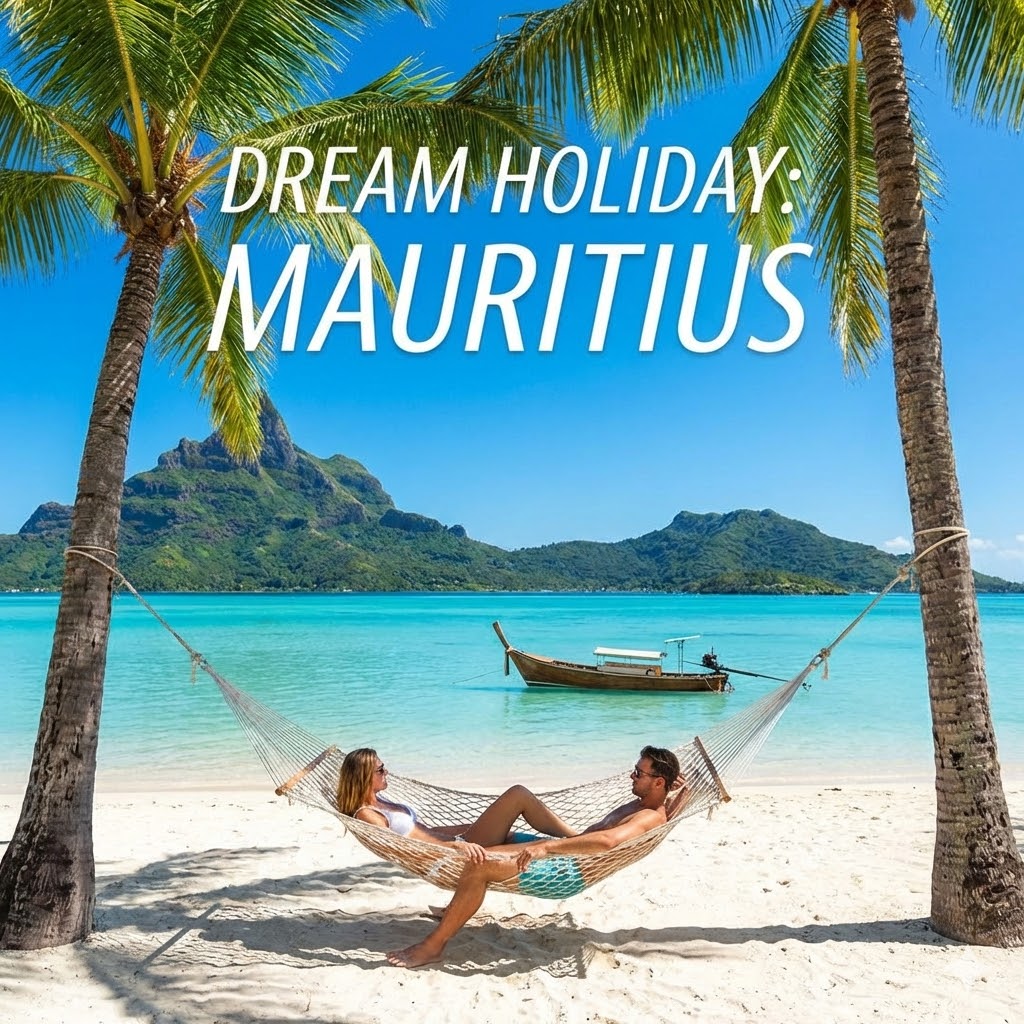
Most tourists miss the amazing things to do in Mauritius because they don’t plan their trip to Mauritius properly. If you want to enjoy a dream holiday in Mauritius, then never compromise with the following Mauritius trip essentials:
Best Time to Visit:
- May to December
- This time it offers drier, cooler weather and calmer seas for water activities.
Safety & Tours:
Always book registered guides for hiking and water activities. This way, you can ensure safety and enhance your experience.
Transport:
Renting a car or hiring a driver allows easy exploration across the island’s diverse regions.
MoRide’s private taxi service handles all transport logistics, including:
- Airport transfers
- Full-day tours
- Point-to-point hotel pickups
- And more
With fixed pricing and experienced local drivers. Book via WhatsApp +230 5258 0813 for instant confirmation.
But what are the specific things and activities that will make your Mauritius trip actually amazing?
- Pristine beaches with turquoise lagoons
- UNESCO Le Morne mountain hiking trails
- Swimming with wild dolphins at sunrise
- Catamaran cruises to Île aux Cerfs
- Chamarel’s rainbow-colored earth dunes
- Black River Gorges rainforest trekking
- Snorkeling in vibrant coral reefs
- Rum tasting at colonial distilleries
- Quad biking through nature reserves
- Helicopter flights over coastal wonders
- And more
We’ll explore each of these, and more, in detail, so you don’t miss a single amazing thing to do in Mauritius for your dream holiday.
Beach Activities & Water Sports in Mauritius
1. Relax on Mauritius’ Pristine Beaches
Beaches in Mauritius are public sandy coastlines featuring crystal-clear turquoise lagoons, coral reef protection, and year-round accessibility regardless of adjacent hotel properties.
Mauritius’ beaches evolved from colonial-era fishing communities into global tourism destinations in the 1970s. All beaches remain public by law. A deliberate post-independence policy ensuring equal access for locals and tourists.
Top Beaches to Visit:
Trou aux Biches (North Coast)
What Makes It Stand Out:
Fine white sand stretches 2 kilometers along calm, shallow waters. Families love the gradual depth. Perfect for children learning to swim.
Snorkeling conditions are exceptional. Coral reefs sit 50 meters offshore, teeming with parrotfish, angelfish, and sea turtles.
Facilities & Safety:
Public restrooms and showers operate 08:00-18:00 daily. Lifeguards patrol weekends and public holidays (09:00-17:00).
Food vendors sell fresh coconuts (MUR 50-80), grilled corn (MUR 30-50), and local snacks. HACCP-certified vendors display visible health permits. Always verify before purchasing.
What to Watch Out For:
Weekends attract large crowds. Arrive before 10:00 AM for quieter beach access and prime parking spots.
Sea urchins inhabit rocky areas near coral reefs. Wear water shoes when snorkeling. Stepping on urchins causes painful puncture wounds requiring medical attention.
Jellyfish appear occasionally during January-March. Check with lifeguards before swimming.
Best For:
- Families with young children
- Snorkeling enthusiasts
- Travellers seeking calm, safe swimming conditions.
Flic en Flac (West Coast)
What Makes It Stand Out:
Flic en Flac delivers Mauritius’ most spectacular sunsets. The 3-kilometre beach faces west. Golden hours transform the sky into orange, pink, and purple gradients.
Coral reefs protect the lagoon from strong currents. Water remains calm year-round.
Facilities & Safety:
Public beach access includes free parking, clean restrooms, and wheelchair-accessible pathways.
Beachside restaurants operate under Mauritius Tourism Authority regulations. Establishments like Domaine Anna and Escale Créole undergo quarterly food safety audits. Verified certificates are displayed at the entrance.
What to Watch Out For:
Weekday afternoons offer the most peaceful experience. Saturday and Sunday afternoons draw local families. Expect lively music, beach football, and communal picnics.
Sunset hours (17:00-18:30) attract photographers and couples. Arrive early to secure prime viewing spots.
Strong currents appear beyond coral reef barriers. Stay within designated swimming zones marked by buoys.
Best For:
- Sunset chasers
- Romantic couples
- Photographers seeking Instagram-worthy coastal views
Le Morne Beach (Southwest Coast)
What Makes It Stand Out:
Le Morne Beach sits beneath the UNESCO World Heritage Le Morne Brabant mountain, creating one of Mauritius’ most iconic backdrops.
Kitesurfing dominates here. Consistent trade winds (May-December) and shallow lagoons create world-class conditions. International kitesurfing competitions happen annually.
Stands for United Nations Educational, Scientific and Cultural Organization
Facilities & Safety:
Kitesurfing schools operate with certified IKO (International Kiteboarding Organization) instructors. Equipment rentals include safety briefings and lagoon depth charts.
Public beach areas feature shaded picnic spots and basic facilities. Luxury resorts (Paradis Beachcomber, Lux Le Morne) line the coast. Their beachfront restaurants welcome non-guests.
What to Watch Out For:
Kitesurfing zones are clearly marked. Swimmers must avoid these areas. Kite lines and boards pose collision risks.
Currents strengthen beyond the lagoon. Inexperienced swimmers should stay close to the shore.
Limited public parking. Arrive before 09:00 AM or use resort parking (fees apply for non-guests).
Best For:
- Kitesurfers (beginner to advanced)
- Adventure seekers
- Travellers seeking dramatic mountain-ocean landscapes
Mont Choisy (North Coast)
What Makes It Stand Out:
Mont Choisy stretches 2 kilometers with powder-soft sand. Casuarina trees provide natural shades. Perfect for all-day beach relaxation without umbrellas.
The beach attracts a lively, social atmosphere. Locals gather for weekend picnics, beach volleyball, and live music.
Facilities & Safety:
Public facilities include restrooms, outdoor showers, and parking (MUR 50 or $1.10 per day).
Food stalls sell Mauritian street food. Dholl puri (lentil flatbread), samosas, and fresh fruit juices. Vendors operate under health department supervision with visible hygiene certifications.
What to Watch Out For:
Crowds peak Saturday and Sunday (10:00-16:00). Weekdays offer quieter beach access.
Swimming conditions are excellent, but jellyfish appear occasionally. Lifeguards post daily marine condition updates at beach entrances.
Petty theft occurs in crowded areas. Never leave valuables unattended. Use hotel safes or waterproof pouches.
Best For:
- Social travellers
- Families seeking vibrant atmospheres
- Beachgoers, wanting local cultural immersion
Is Swimming Safe in Mauritius Beaches?
Yes, but with precautions!
Coral Reef Protection: Most beaches feature natural coral reef barriers 50-200 meters offshore. These block strong ocean currents and dangerous marine life, creating calm lagoon swimming conditions.
Lifeguard Presence: Major beaches (Trou aux Biches, Flic en Flac, Mont Choisy) employ lifeguards on weekends and public holidays. Weekday swimming requires self-assessment of conditions.
Marine Hazards in Mauritius:
- Sea Urchins: Common near rocky areas and coral. Wear water shoes.
- Jellyfish: Rare but present during warm months (January-March). Check with lifeguards.
- Stonefish: A highly venomous fish camouflaged on the seabeds. Never walk barefoot in rocky or coral areas.
- Strong Currents: Appear beyond reef barriers. Stay within buoy-marked zones.
Health Precautions for Swimming in Mauritius:
- Apply reef-safe sunscreen (SPF 30+) every 2 hours. Mauritius sun intensity peaks 11:00-15:00.
- Drink water frequently. Dehydration happens quickly in tropical climates.
- Avoid swimming immediately after eating. Wait 30-45 minutes to prevent cramps.
Water Quality Monitoring: The Ministry of Environment conducts monthly water quality tests at public beaches. Results are published online. Check before visiting.
Best Swimming Times: Early morning (07:00-10:00) and late afternoon (15:00-17:00) avoid peak sun intensity and crowds.
2. Swimming with Wild Dolphins
Swimming with dolphins in Mauritius refers to guided early-morning boat excursions to the west coast, where pods of wild spinner and bottlenose dolphins naturally gather, allowing supervised snorkeling encounters without feeding or direct interaction.
Dolphins have inhabited Mauritius’ west coast for centuries. Tourism operators formalized dolphin-watching in the 1990s. Strict regulations now govern interactions. No feeding, no touching; boats maintain a 50-metre distance.
What Makes It Stand Out:
Wild dolphin encounters happen 90% of tours. Pods of 20-50 dolphins play, hunt, and socialize in crystal-clear waters.
Spinner dolphins perform acrobatic leaps. Bottlenose dolphins swim closer to boats, often approaching snorkelers out of curiosity.
Tour Details:
| Detail | Information |
| Departure Time | 05:30–06:00 AM (Dolphins most active at sunrise) |
| Duration | 3–4 hours (Includes boat ride, swimming, and return) |
| Pricing | MUR 5,800–6,400 ($127.02–$140.16) per adult |
| Group Size | 8–15 people (Small groups ensure a better experience) |
| Pickup Location | Hotels across Mauritius (West Coast pickups 05:00 AM) |
What to Expect:
Boats depart from Tamarin Bay or Black River. The 30-minute journey scans for dolphin pods using experienced spotters.
Once dolphins are located, boats approach slowly. Engines are cut 50 meters away. Snorkelers enter the water quietly. No splashing or loud noises.
Dolphins swim beneath, around, and past snorkeling. No touching is allowed. Guides enforce strict observation-only rules.
Safety & Regulations:
Certified Operators Only: Book with Tourism Authority-licensed operators. Illegal tours ignore safety protocols and disturb marine life.
Life Jackets Provided: Mandatory for all participants regardless of swimming ability.
Snorkeling Gear Sanitization: Reputable operators sanitize masks and snorkels after each use. Check equipment cleanliness before departure.
Medical Screening: Pregnant women, individuals with heart conditions, or recent surgeries should consult doctors before participating. Boat rides can be choppy.
What to Watch Out For:
Motion Sickness: Open ocean boat rides trigger seasickness. Take motion sickness tablets 30 minutes before departure. Ginger candies help with mild nausea.
Cold Water: Early morning ocean temperatures drop to 22°C-24°C (72°F-75°F). Wear rash guards or wetsuits (provided by most operators.
Dolphin Interaction Limits: Dolphins are wild animals. Some days, pods swim away quickly. No guarantees exist for close encounters. Respect natural behaviour.
Overcrowding: Popular tours attract multiple boats. Choose operators limiting boat numbers per area to avoid dolphin harassment.
Environmental Impact: Never chase dolphins. Aggressive swimming disrupts natural hunting and socializing. Follow the guide instructions precisely.
Best For: Marine life enthusiasts, adventure seekers, and families with children aged 6+.
Recommended Operators:
- Dolswim: 20+ years’ experience, certified guides, small group focus
- Les Dauphins de Tamarin: Eco-conscious, limit boat numbers
- Explore Watersports: Family-friendly, life jacket sizes for all ages
If you’re staying on the East or North Coast, MoRide’s early morning pickup service (04:30-05:00 AM) ensures you reach Tamarin Bay on time without stress.
3. Snorkeling & Diving in Coral Reefs
Snorkeling in Mauritius involves swimming at the water’s surface using a mask, snorkel tube, and fins to observe coral reefs, tropical fish, and marine ecosystems in shallow lagoons protected by outer reef barriers.
Diving in Mauritius refers to scuba diving with compressed air tanks, allowing exploration of deeper reefs (10-40 meters), shipwrecks, and underwater caves under certified instructor supervision.
Mauritius’ coral reefs formed over millions of years. French and British colonists recognized marine biodiversity early, but tourism-driven conservation began only in the 1980s. Today, marine parks protect critical reef zones.
Top Snorkeling Spots:
Blue Bay Marine Park (Southeast Coast)
What Makes It Stand Out:
Blue Bay earned UNESCO protection for exceptional coral diversity. Over 50 coral species thrive here. Brain corals, staghorn corals, and plate corals dominate the seabed.
Visibility exceeds 20 meters year-round. Tropical fish include blue-striped snappers, Moorish idols, and vibrant wrasses.
Glass-bottom boat tours operate for non-swimmers, offering reef views without entering the water.
Facilities & Safety:
Marine Park entry requires tickets (MUR 200 adults, MUR 100 children under 12). Purchase at the park entrance.
Life jackets available for rent (MUR 100). Snorkel gear rental (MUR 150-200) includes sanitized masks and fins.
Park Rangers patrol daily (08:00-17:00). Emergency medical kits are on-site for jellyfish stings or coral cuts.
What to Watch Out For:
Coral Protection Rules: Touching, standing on, or breaking coral is illegal. Fines reach MUR 50,000. Coral cuts cause infections requiring antibiotics.
Sea Urchins: Abundant near rocky areas. Wear protective water shoes.
Boats & Swimmers: Designated swimming zones prevent boat collisions. Stay within marked areas.
Best For: Beginner snorkelers, families, and marine conservation enthusiasts.
Trou aux Biches Reef (North Coast)
Coral gardens sit 30-50 meters offshore. Calm, shallow waters (2-4 meters deep) suit beginners.
Parrotfish, angelfish, and damselfish populate the reef. Sea turtles appear occasionally. Observe from a distance (touching is illegal).
What to Watch Out For:
Boat traffic increases at midday. Snorkel early morning (07:00-09:00) or late afternoon (15:00-17:00) for safer, quieter conditions.
What Are the Best Diving Sites in Mauritius?
Mauritius offers 30+ dive sites ranging from beginner-friendly shallow reefs to advanced deep-wall dives and shipwreck explorations.
Cathedral (Flic en Flac)
- Depth: 18-26 meters
- Difficulty: Intermediate
What Makes It Stand Out:
Underwater caverns and swim-throughs create cathedral-like formations. Light penetrates openings, illuminating walls covered in soft corals.
Moray eels, lionfish, and octopuses inhabit crevices. Nurse sharks rest on sandy bottoms.
Holt’s Rocks (North Coast)
- Depth: 20-30 meters
- Difficulty: Advanced
What Makes It Stand Out:
Dramatic underwater cliffs drop vertically. Strong currents attract pelagic species, such as barracudas, jackfish, and occasionally reef sharks.
What to Watch Out For:
Currents require advanced buoyancy control. Not suitable for beginner divers.
SS Tug II Shipwreck (Mahé Bourg)
- Depth: 18-22 meters
- Difficulty: Beginner-Intermediate
What Makes It Stand Out:
Deliberately sunk in 1981 to create an artificial reef. The tugboat wreck sits upright, intact, and fully accessible.
Scorpionfish camouflage on wreck surfaces. Groupers and snappers’ school around the hull.
Diving Safety & Certification:
PADI/SSI Certification Required: All dive operators require proof of certification. Beginner divers complete Discover Scuba Diving (DSD) courses before opening water dives.
Medical Fitness: Divers complete medical questionnaires. Pre-existing conditions (asthma, heart issues, and ear problems) require a doctor’s clearance.
Equipment Standards: Reputable dive centers use regularly serviced equipment. Tanks undergo hydrostatic testing every 5 years. BCDs and regulators are inspected after every dive.
Decompression Safety: Dives follow PADI tables. Safety stops (3-5 minutes at 5 meters depth) prevent decompression sickness.
Emergency Protocols: All dive operators carry oxygen kits and first aid supplies. Nearest hyperbaric chamber: Dr. Jeetoo Hospital, Port Louis (45-minute drive from most dive sites).
Health Precautions:
- Avoid flying 18-24 hours post-dive. Altitude increases decompression of sickness risk.
- Stay hydrated. Dehydration worsens nitrogen absorption.
- No alcohol 12 hours before diving. Impairs judgement and increases accident risk.
What to Watch Out For:
Unregulated Operators: Book only with Tourism registered and authority-certified dive centers. Check certifications displayed at shop entrances.
Overcrowded Boats: Choose operators limiting divers per boat (max 8-10) for better supervision and personalized attention.
Environmental Damage: Never touch marine life. Coral and sea creatures suffer from human contact. Oil from skin harms fragile ecosystems.
Best Dive Operators:
- Blue Water Diving Centre: PADI 5-Star center, 25+ years’ experience
- Dive Dream (Flic en Flac): Small groups, eco-conscious practices
- Explorer Diving (Belle Mare): Specializes in advanced wreck dives
Pricing:
| Dive Type | Price (MUR) | Price (USD) |
| Single Dive (Certified divers) | MUR 1,900–2,200 | $41.61–$48.18 |
| Two-Dive Package | MUR 3,200–3,800 | $70.08–$83.22 |
| Discover Scuba Diving (Beginners) | MUR 3,500–4,000 | $76.65–$87.60 |
| PADI Open Water Certification | MUR 18,000–22,000 | $394.20–$481.80 |
Best For: Certified divers seeking diverse underwater landscapes, marine photographers, and adventure travellers comfortable with underwater exploration.
Island Hopping & Catamaran Cruises
Explore Mauritius from the water.
4. Catamaran Cruise to Île aux Cerfs
Île aux Cerfs is a 100-hectare privately managed island off the east coast of Mauritius, featuring white sandy beaches, turquoise lagoons, and watersports facilities accessible only by boat.
Île aux Cerfs (Deer Island) was named during Dutch colonization (1638-1710) when deer roamed freely. The island remained uninhabited until the 1990s, when tourism operators developed it into Mauritius’ premier day-trip destination.
What Makes It Stand Out:
Powder-soft beaches rival Maldivian standards. Shallow lagoons (waist-deep, 50 meters offshore) suit families with children.
Watersports heaven: parasailing, glass-bottom kayaking, tube rides, and banana boat excursions operate from 09:00-16:00 daily.
Tour Details:
| Detail | Information |
| Departure Points | Trou d’Eau Douce, Pointe Maurice |
| Duration | 6-7 hours (full-day cruise) |
| Pricing | MUR 3,700-7,000 ($100.38–$190.90 USD) per adult |
| Inclusions | BBQ lunch, drinks (rum punch, soft drinks, water), snorkeling gear, hotel transfers |
| Pickup Time | 08:30-09:00 AM (depending on coast) |
What to Expect:
Catamarans depart at 09:30 AM. The journey crosses turquoise lagoons with views of offshore islets and coral formations.
First Stop: Grand River Southeast Waterfall (GRSE): Boats enter the river’s mouth, navigating upstream to a scenic waterfall. Passengers disembark for photos (15-20 minutes).
Snorkeling Stop: Mid-journey snorkeling at coral reefs. Tropical fish, starfish, and sea cucumbers populate the seabed.
Île aux Cerfs Arrival: 2-3 hours free time on the island. Beaches, watersports, beach volleyball, and shaded picnic areas are available.
BBQ Lunch: Freshly grilled chicken, fish, sausages, garlic bread, and salads served on board. Vegetarian options are available upon request.
Return Journey: Relaxed sail back with music, rum cocktails, and sunset views (for afternoon departures).
Facilities & Safety:
Restrooms & Changing Areas: Available on Île aux Cerfs. Clean, well-maintained facilities near beach entrances.
Watersports Safety: All activities supervised by certified instructors. Life jackets are mandatory for parasailing and water sports.
Food Safety Standards: Catamaran operators follow strict HACCP protocols. Food stored in refrigerated units (below 4°C). Grilling temperatures monitored (above 75°C for poultry, 63°C for fish). Monthly health inspections ensure compliance.
Allergy Accommodations: Inform operators of dietary restrictions during booking. Gluten-free, nut-free, and vegan options are prepared separately to avoid cross-contamination.
What to Watch Out For:
Seasickness: Open water sailing triggers motion sickness in some passengers. Take anti-nausea medication 30 minutes before departure. Sit in the center of the catamaran (most stable area).
Sun Exposure: Limited shade on catamarans. Wear wide-brimmed hats, UV-protective clothing, and SPF 50+ sunscreen. Reapply every 2 hours.
Overcrowding: Peak season (July-August) fills catamarans (60-80 passengers). Book early or choose smaller, private catamaran charters (max 12-15 passengers).
Jellyfish: Rare but occasionally present around Île aux Cerfs (January-March). Check with the crew before swimming.
Alcohol Consumption: Unlimited rum drinks are included, but excessive alcohol impairs judgment during watersports. Drink responsibly.
Environmental Impact: Remove all litter. Île aux Cerfs employs daily beach cleaning, but tourist cooperation maintains pristine conditions.
Best For: Families, groups, and travellers seeking all-inclusive island experiences with minimal planning.
Recommended Operators:
- East Coast Catamaran Cruises: Includes GRSE Waterfall, lunch, and open bar
- Luxury Catamaran Île aux Cerfs: Smaller groups, premium service
- Blue Alizé Catamaran: Budget-friendly, reliable service
If you’re staying on the West or North Coast, MoRide’s hotel pickup service ensures a timely arrival at Trou d’Eau Douce departure points.
5. Five Island Speedboat Tour
The Five Island Speedboat Tour is a high-speed boat excursion exploring five eastern offshore islands, such as Île aux Cerfs, Île de la Passe, Île Mangénie, Île aux Phares, and Île aux Flamants, with snorkeling, BBQ lunch, and beach time.
These islands served as strategic French and British naval outposts during colonial wars. Today, they remain largely uninhabited, preserving natural beauty and marine biodiversity.
What Makes It Stand Out:
Speedboat adrenaline: 40-60 km/h across open lagoons. Thrilling for adventure seekers.
Diverse island landscapes, white sand beaches, mangrove forests, lighthouse ruins, and coral gardens.
Snorkeling at Blue Bay Marine Park: UNESCO-protected reefs teeming marine life.
Tour Details:
| Detail | Information |
| Duration | 6-8 hours |
| Pricing | MUR 4,050-6,850 ($111 USD – $187 USD) per adult |
| Inclusions | BBQ lunch (grilled fish, chicken, salads), drinks, snorkeling gear, and hotel transfers |
| Group Size | 10-15 passengers per speedboat |
| Pickup Time | 08:00-08:30 AM |
What to Expect:
Speedboats depart from Blue Bay or Pointe d’Esny. High-speed navigation between islands creates an exhilarating open-water experience.
Île de la Passe: Historical fort ruins. Brief stop for photos and historical context from guides.
Blue Bay Snorkeling: 45-minute snorkeling session in a marine park. Visibility exceeds 20 meters.
Île aux Flamants & Île Mangénie: Quick photo stops. Mangrove ecosystems are visible from boats.
Île aux Cerfs: 2-hour beach time. Watersports, relaxation, and exploration.
BBQ Lunch: Freshly grilled seafood and chicken served on board or beach picnic setup.
Safety & Regulations:
Life Jackets Mandatory: All passengers wear life jackets during speedboat navigation. Non-negotiable safety requirements.
Qualified Skippers: Operators employ licensed boat captains with maritime safety training and GPS navigation systems.
Weather Monitoring: Tours cancel during rough seas or strong wind warnings. Full refunds provided for weather cancellations.
Snorkeling Supervision: Guides accompany snorkelers. The buddy system is enforced. No solo swimming.
What to Watch Out For:
Motion Sickness: Speedboat bouncing triggers severe seasickness. Take medication before departure. Avoid sitting at the back (most turbulent area).
Physical Demands: Entering/exiting speedboats requires agility. Pregnant women, elderly travellers, and individuals with back/neck issues should avoid this tour.
Sun & Wind Exposure: Speedboat travel intensifies sun exposure. UV rays reflect off water. Apply sunscreen generously.
Crowded Stops: Popular tours attract multiple boats to the same islands. Arrive early for quieter beach experiences.
Best For: Thrill-seekers, adventure travellers, and active families with older children (6+).
Mountain Hiking & Nature Exploration: Conquer Mauritius’ Wild Side
6. Hiking Le Morne Brabant Mountain
Le Morne Brabant is a 556-metre basaltic monolith rising from the southwest coast, designated a UNESCO World Heritage Site in 2008 for its historical significance as a refuge for escaped slaves during the 18th and early 19th centuries.
Le Morne became a symbol of resistance against slavery. Escaped slaves (known as “Maroons”) established communities on their inaccessible cliffs.
In 1835, when slavery was abolished, a tragic misunderstanding occurred. Police climbed the mountain to inform Maroons of their freedom, but believing they would be recaptured, many leapt to their deaths from the cliffs.
Today, Le Morne represents freedom, resilience, and cultural heritage. The mountain is sacred to Mauritians of African descent.
What Makes It Stand Out:
Panoramic 360-degree views from the summit: turquoise lagoons, coral reefs, offshore islands, and the “underwater waterfall” illusion (aerial view only).
Challenging but rewarding hike, including steep inclines, rope-assisted sections, and exposed ridges to test physical fitness.
Rich biodiversity: endemic plants, rare birds, and unique geological formations.
Hiking Details:
| Detail | Information |
| Distance | 3.5 km (one-way) |
| Elevation Gain | 556 meters |
| Duration | 3-4 hours (round trip) |
| Difficulty | Moderate to Challenging |
| Best Time | May-September (cooler, drier weather) |
| Guided Tour Pricing | MUR 1,500-2,500 ($40 to $68 USD) per person |
What to Expect:
Trail Sections:
- Lower Slopes (0-200m): Gentle incline through dry forest. Well-marked trail.
- Mid-Section (200-400m): Steep rocky terrain. Rope-assisted climbing is required.
- Summit Ridge (400-556m): Exposed ridge with sheer drop-offs. Requires careful footing.
- Summit: Flat rock platform with panoramic views. Limited space (max 10-15 people).
Guided vs. Solo Hiking:
Guided Hikes (Recommended):
- Certified guides navigate tricky sections safely
- Historical context and cultural significance explained
- Emergency first aid training
- Group sizes limited (6-10 people)
Solo Hiking (Permitted but Risky):
- Requires excellent fitness and navigation skills
- Trail markers exist, but are easily missed
- No assistance available for injuries or emergencies
- Not recommended for first-time hikers
Safety & Regulations:
Mandatory Registration: All hikers register at the Le Morne Public Beach office before ascending. Emergency contact information is required.
Weather Restrictions: Hiking is prohibited during rain, strong winds, or poor visibility. Check forecasts before departure.
Physical Fitness Requirements: Moderate-to-high cardiovascular fitness is essential. Not suitable for individuals with heart conditions, vertigo, or severe knee/ankle issues.
Equipment Needed:
- Hiking boots with ankle support (mandatory, slippery rocks cause falls)
- 2 liters of water per person (dehydration risk high)
- Sun protection: hat, sunglasses, SPF 50+ sunscreen
- Lightweight backpack
- First aid kit (basic: bandages, antiseptic, pain relievers)
What to Watch Out For:
Heat Exhaustion: Start early (06:00-07:00 AM) to avoid midday heat. Temperatures on exposed slopes exceed 30°C.
Dehydration: Drink water every 15-20 minutes. Urine color indicates hydration. Dark yellow signals dehydration.
Falls & Injuries: Loose rocks and steep sections cause twisted ankles, knee injuries, and falls. Use the ropes provided. Move slowly on exposed ridges.
Vertigo & Heights: Summit Ridge features sheer 300-metre drop-offs. Individuals with height fear should not attempt.
Wildlife: Snakes (non-venomous) inhabit the lower slopes. Wear long pants and boots.
Emergency Protocol: Mobile signal available at the summit and upper slopes. Emergency services: 999 (police), 114 (ambulance).
Best For: Experienced hikers, history enthusiasts, and physically fit travellers seeking challenging outdoor adventures.
Recommended Guide Services:
- Nature Hiking: UNESCO-certified guides, focus on cultural history
- Mauritius Hiking Adventures: Small groups, safety-first approach
- Eco Sud Hiking: Eco-conscious, experienced local guides
MoRide’s early morning pickup service ensures a timely arrival at Le Morne trailhead from any hotel location.
7. Exploring Black River Gorges National Park
Black River Gorges National Park is a 6,574-hectare protected rainforest reserve in southwestern Mauritius, established in 1994 to preserve endemic flora, fauna, and watersheds critical to the island’s ecosystem.
Mauritius lost 95% of its native forests to colonial sugarcane plantations. Black River Gorges represents the last significant rainforest remnant. Conservation efforts began in the 1980s, leading to national park designation in 1994.
What Makes It Stand Out:
Over 300 native plant species, including rare ebony trees and endemic orchids.
Birdwatcher’s paradise: Mauritius kestrel, pink pigeon, echo parakeet. All critically endangered species recovered from near extinction.
60+ kilometers of hiking trails ranging from easy nature walks to strenuous mountain treks.
Top Hiking Trails:
Macchabée Forest Trail (Easy)
- Distance: 2 km (loop)
- Duration: 45-60 minutes
- Difficulty: Easy
- Elevation: Minimal
What to Expect:
Boardwalk trail through dense rainforest canopy. Giant ferns, endemic trees, and moss-covered rocks.
Birdwatching opportunities: Mauritius bulbul, Mauritius grey white-eye, olive white-eye.
Best For: Families, elderly travellers, and beginner hikers.
Parakeet Trail (Moderate)
- Distance: 5 km (one-way)
- Duration: 2-3 hours
- Difficulty: Moderate
- Elevation Gain: 150 meters
What to Expect:
The trail winds through rainforest valleys with stream crossings. Endemic bird species. Echo parakeets’ nest in tree hollows.
What to Watch Out For:
Slippery rocks near streams. Wear waterproof hiking boots.
Black River Peak Trail (Challenging)
- Distance: 6.5 km (one-way)
- Duration: 4-5 hours (round trip)
- Difficulty: Challenging
- Elevation Gain: 628 meters (Black River Peak is Mauritius’ highest point)
What to Expect:
Steep, rocky ascent through rainforest transitioning to cloud forest. Summit views span the entire southern coastline.
Endemic flora: rare orchids, pitcher plants, and black ebony trees.
What to Watch Out For:
The weather changes rapidly. Fog and rain reduce visibility. Start early (07:00 AM) to complete before afternoon storms.
Facilities & Safety:
Visitor Centers:
- Pétrin Information Centre: Trail maps, guides, restrooms (08:00-16:00 daily)
- Black River Gorges Viewpoint: Scenic overlook, parking, basic facilities
Trail Markers: Color-coded signs mark difficulty levels. Red = challenging, yellow = moderate, green = easy.
Guides Available: Not mandatory but recommended for challenging trails. Certified guides (MUR 1,500-2,000) provide wildlife identification and navigation assistance.
Emergency Services: Mobile signals unreliable in the deep forest. Inform park rangers on your route before hiking.
What to Watch Out For:
Weather: Rainforest receives 3,000-4,000mm of rainfall annually. Trails flood during heavy rain. Check forecasts before hiking.
Wildlife: Wild boars (introduced species) roam the park. Non-aggressive but avoid approaching. Monkeys (macaques) may snatch food. Never feed wildlife.
Insect Bites: Mosquitoes carry dengue fever. Wear long sleeves, pants, and insect repellent (DEET 30%+).
Leeches: Present during the wet season (December-April). Attach to exposed skin. Carry salt to remove.
Getting Lost: Dense forest and unmarked side trails cause disorientation. Stick to marked paths. Carry a GPS device or offline maps.
Best For: Nature lovers, birdwatchers, and hikers seeking endemic wildlife encounters.
How to Get There:
Black River Gorges has multiple entry points. MoRide’s private taxi service navigates the winding mountain roads safely, dropping you at trailheads and picking you up post-hiking.
Natural Wonders & Geological Marvels: Mauritius’ Unique Landscapes
8. Chamarel Seven Colored Earth Geopark
Chamarel Seven Colored Earth is a 7,500-square-metre geological formation featuring sand dunes displaying seven distinct colors (red, brown, violet, green, blue, purple, yellow) caused by volcanic rock weathering and mineral oxidation over millions of years.
Discovered in the 1960s during land clearing for agriculture, the phenomenon puzzled scientists initially. Geological studies revealed basaltic lava weathering created iron and aluminum oxide deposits, producing the color spectrum.
The site gained protected status in 1998, preventing further erosion and commercial exploitation.
French settlers named the area “Chamarel” after Charles Antoine de Chazal de Chamarel, an 18th-century French officer who owned vast landholdings here.
What Makes It Stand Out:
The colors never erode despite tropical rainfall exceeding 2,000mm annually. Sand particles resist mixing. Even when combined manually, they separate into distinct color layers.
Sunrise and sunset intensify color vibrancy. Photography enthusiasts flock here for golden hour shots.
Surrounding landscape features lush tropical vegetation, waterfalls, and coffee plantations.
What to Expect:
Entry Details:
| Detail | Information |
| Opening Hours | 08:30–17:30 daily (Last entry at 17:00) |
| Entry Fee | MUR 250 (Adults) MUR 150 (Children 3–11 years) |
| Facilities | Restaurant, souvenir shop, restrooms, guided tours |
| Duration | 1–2 hours (Self-guided viewing) |
Viewing Platforms: Elevated wooden platforms provide unobstructed views. Barriers prevent visitors from walking on fragile dunes. Erosion would destroy the formation.
Giant Tortoises Enclosure: Adjacent area houses Aldabra giant tortoises (100+ years old). Feeding sessions at 10:00 AM and 15:00 daily.
Chamarel Waterfall Viewpoint: A 100-metre-high waterfall is visible from the park overlook. Twin cascades plunge into fa oersted gorge. Breathtaking backdrop for photos.
What to Buy:
The souvenir shop sells colored earth in sealed glass tubes (MUR 100-300). Sand collected sustainably from perimeter areas. Not from protected dunes.
Facilities & Safety:
Accessibility: Paved pathways and ramps accommodate wheelchairs and strollers. Viewing platforms feature wide staircases with handrails.
Restaurant Standards: On-site Chamarel Restaurant operates under HACCP certification. The menu features Mauritian Creole cuisine, like curries, grilled fish, tropical fruit desserts, and more. Vegetarian and vegan options available.
Temperature Monitoring: Food stored at regulated temperatures (refrigeration below 4°C, hot holding above 63°C). Monthly health inspections ensure compliance.
Restroom Facilities: Clean, well-maintained restrooms with handwashing stations and soap dispensers.
What to Watch Out For:
Crowds: Peak tourist hours (10:00-14:00) create congestion at viewing platforms. Visit early morning (08:30-10:00) or late afternoon (15:00-17:00) for quieter experiences.
Weather: Overcast days, dull color vibrancy. Clear, sunny mornings produce the most vivid hues.
Photography Rules: Drones prohibited. Tripods allowed but must not block pathways.
Sun Exposure: Limited shade at viewing platforms. Wear hats and sunscreen. Ultraviolet (UV) intensity peaks at midday.
Slippery Surfaces: Rain creates slippery wooden platforms. Exercise caution during wet weather.
Environmental Impact: Stay on designated paths. Stepping off damages vegetation and accelerates erosion.
Best For: Photography enthusiasts, families, geology lovers, and travellers seeking unique natural phenomena.
Nearby Attractions:
Chamarel Rum Distillery: 2 km from Seven Colored Earth. Combine visits for a full-day itinerary.
Chamarel Waterfall Hiking Trail: 15-minute walk to waterfall base (steep descent). Swimming is permitted in natural pools.
How to Get There:
Chamarel sits in Mauritius’ mountainous southwest, winding roads with steep inclines. MoRide’s full-day South Coast tour includes Chamarel Seven Colored Earth, Chamarel Waterfall, and a rum distillery with comfortable transport and flexible timing.
9. Visiting Chamarel Rum Distillery (Rhumerie de Chamarel)
Chamarel Rum Distillery is an artisanal rum producer established in 2008, crafting premium agricultural rum (rhum Agricole) from fresh sugarcane juice rather than molasses, following traditional French Caribbean methods.
Mauritius’ rum industry dates to the 1850s when British colonists established molasses-based distilleries. Chamarel revolutionized local production in 2008 by adopting French Martinique-style rhum Agricole, using pure cane juice for superior flavour complexity.
Today, Chamarel exports globally, winning international awards for quality and sustainability.
What Makes It Stand Out:
Sugarcane-to-bottle process visible on-site. Visitors witness harvesting, crushing, fermentation, distillation, and aging.
Surrounded by volcanic mountains and cane fields, the distillery views rival any Caribbean plantation.
Award-winning rums: Chamarel VSOP (Very Superior Old Pale), premium aged editions, and flavored varieties (vanilla, coconut, coffee).
Tour Details:
| Detail | Information |
| Tour Duration | 45–60 minutes (Guided) |
| Tour Fee | MUR 300 (Adults, includes tasting) MUR 150 (Children, no tasting) |
| Opening Hours | 09:30–17:00 daily (Last tour at 16:00) |
| Languages | English, French, Creole |
| Tasting Included | 5–8 rum varieties (Aged, spiced, flavored) |
What to Expect:
Sugarcane Fields: Tour begins in the cane fields. Guides explain harvesting cycles (June-December) and cane juice extraction.
Distillation Process: Copper pot stills and column stills produce different rum styles. Guides demonstrate fermentation tanks and distillation temperatures.
Aging Cellars: Oak barrels from France and America age premium rums 3-10+ years. Temperature and humidity are controlled for optimal maturation.
Tasting Session: Sample aged rums, spiced varieties, and flavored editions. Professional tasters guide flavour profiling, including vanilla, caramel, oak, and tropical fruit notes.
Gift Shop: Purchase bottles at distillery prices (cheaper than airport duty-free). Exclusive editions unavailable elsewhere.
Restaurant L’Alchimiste: On-site fine dining restaurant overlooks sugarcane valleys. Creole-French fusion cuisine paired with Chamarel rums.
Facilities & Safety:
Food Safety Standards: The restaurant operates under Ministry of Health regulations. HACCP protocols cover food storage, preparation, and service.
Allergy Accommodations: Menu clearly labels allergens (gluten, nuts, shellfish). Staff trained to handle dietary restrictions.
Alcohol Consumption Guidelines:
- Tasting portions small (15-20ml per sample). Designed for flavour assessment, not intoxication
- Designated drivers should skip tasting or spit samples (spittoons provided)
- Pregnant women and children under 18 are prohibited from tasting
What to Watch Out For:
Driving After Tasting: Even small rum samples impair judgment. Wait 60-90 minutes before driving or using MoRide’s designated driver service.
Heat & Alcohol: Tropical heat intensifies alcohol effects. Drink water between tastings. The distillery provides complimentary water bottles.
Expensive Gift Shop: Distillery prices are competitive but not “bargains.” Compare with local supermarkets (Winners, Jumbo) for better deals on standard bottles.
Tour Crowds: Peak hours (11:00-14:00) create crowded tasting rooms. Book early morning (09:30) or late afternoon (15:30) tours.
Best For: Rum enthusiasts, foodies, and travellers interested in agricultural traditions and craft spirits.
How to Get There:
Chamarel’s mountain location requires navigating steep, winding roads. MoRide’s South Coast tour combines distillery visits with Chamarel Seven Colored Earth and waterfalls. Stress-free transport with flexible scheduling.
10. Discovering Tamarin Falls (Seven Cascades)
Tamarin Falls (also called Seven Cascades) is a series of seven waterfalls cascading through Black River Gorges’ forested ravines, accessible via guided hikes ranging from easy viewpoint walks to challenging canyon descents.
Local communities knew Tamarin Falls for centuries, but tourism development began only in the 2000s. The site gained popularity through social media. Instagram photos of emerald pools and cascading water attracted international visitors.
Conservation efforts now protect surrounding forests from overdevelopment.
What Makes It Stand Out:
Seven distinct waterfalls range from 10 to 50 meters high. Natural rock pools invite swimming in crystal-clear mountain water.
Lush rainforest surroundings: endemic plants, tropical birds, and untouched wilderness.
Adventure levels vary with easy viewpoint hikes (30 minutes) to extreme canyoning expeditions (6 hours).
Hiking Options:
Viewpoint Hike (Easy)
- Duration: 30-45 minutes (round trip)
- Difficulty: Easy
What to Expect:
Short trail to the upper waterfall viewpoint. Minimal elevation gain. Suitable for families and elderly travellers.
Pricing: Self-guided free access. Parking MUR 100.
Three Waterfalls Hike (Moderate)
Duration: 2-3 hours (round trip)
Difficulty: Moderate
What to Expect:
The trail descends through the rainforest to three lower waterfalls. River crossings on slippery rocks. Rope-assisted sections.
Swimming permitted in natural pools (cold water 18-20°C).
Guided Tour Pricing: MUR 1,200-1,800 ($33 – $49 USD) per person.
Seven Waterfalls Canyoning (Challenging)
- Duration: 5-6 hours
- Difficulty: Very Challenging
What to Expect:
Full descent through all seven waterfalls. Rappelling cliff faces (15-25 meters). Climbing, swimming, and navigating rocky terrain.
Technical equipment provided: harnesses, helmets, and ropes.
Guided Tour Pricing: MUR 3,500-4,500 ($92 to $123 USD) per person.
Physical Requirements: Excellent fitness, no fear of heights, and swimming ability are mandatory.
Safety & Regulations:
Mandatory Guides for Canyoning: Solo Canyoning is prohibited. Fatal accidents occurred in past years. Therefore, only licensed operators are permitted.
Equipment Standards: Reputable operators use certified climbing equipment (UIAA/CE approved). Helmets, harnesses, and ropes are inspected before every tour.
Weather Restrictions: Heavy rain causes flash floods. Waterfalls become dangerous rapids. Tours are cancelled during the rainy season peak (January-March).
Medical Fitness: Canyoning is unsuitable for pregnant women, individuals with heart conditions, recent surgeries, or severe joint issues.
Emergency Protocols: Guides carry first-aid kits, emergency communication devices (satellite phones), and undergo evacuation training.
What to Watch Out For:
Slippery Rocks: Algae-covered rocks cause frequent falls. Wear proper hiking boots with deep treads. Not sandals or flip-flops.
Cold Water Shock: Natural pools reach 18°C-20°C (64°F-68°F). Cold water shock causes hyperventilation and panic. Enter slowly and acclimatize gradually.
Leeches: Present during wet months (December-April). Attach to exposed skin. Carry salt or insect repellent to remove.
Dehydration: Strenuous activity in tropical heat causes rapid dehydration. Carry 2+ liters of water.
Getting Lost: Unmarked trails and multiple waterfall access points confuse inexperienced hikers. Hire guides or use GPS tracking apps (Offline maps essential. No mobile signal.
Best For: Adventure seekers, experienced hikers, and physically fit travellers comfortably with technical outdoor activities.
Recommended Tour Operators:
- Vertical World Mauritius: Certified canyoning guides, safety-first focus
- Yanature Adventures: Eco-conscious, experienced local guides
- Mauritius Hiking Adventures: Moderate hikes, family-friendly options
What to Bring:
- Waterproof bag for valuables
- Quick-dry clothing (cotton stays wet and cold)
- Water shoes or hiking boots
- Towel and dry clothes for after the swim
- Snacks (energy bars, fruit)
- Waterproof camera (GoPro recommended)
How to Get There:
The Tamarin Falls trailhead is located off rural roads with limited signage. MoRide’s private taxi service navigates directly to the starting points and provides post-hike pickup coordination.
Cultural & Historical Experiences: Understanding Mauritius’ Heritage
11. Exploring Pamplemousses Botanical Garden (SSR Garden)
Sir Seewoosagur Ramgoolam Botanical Garden (commonly called Pamplemousses Botanical Garden) is a 37-hectare botanical park in northern Mauritius, established in 1770, featuring over 650 plant species, including giant water lilies, rare palms, and endemic trees.
French Governor Mahé de Labourdonnais established the garden in 1736 as a vegetable plot for colonial supplies. French botanist Pierre Poivre transformed it into a botanical research center in 1770, introducing spices, fruits, and ornamental plants from Asia, Africa, and South America.
After Mauritius gained independence in 1968, the garden was renamed after Sir Seewoosagur Ramgoolam, the nation’s first Prime Minister.
Today, it’s the oldest botanical garden in the Southern Hemisphere and a living museum of tropical biodiversity.
What Makes It Stand Out:
Giant Victoria Amazonica Water Lilies: Centerpiece Pond features water lilies with leaves spanning 2 meters (6.5 feet) in diameter. Strong enough to support small children.
Talipot Palm Avenue: These rare palms flower once in 40-60 years, then die. Flowering events attract botanists worldwide.
Baobab Trees: Imported from Madagascar, these “upside-down trees” reach 300+ years old.
Endemic Species: Mauritius ebony, bottle palm, and rare orchids thrive in dedicated conservation sections.
Historical Monuments: French colonial ruins, including Château Mon Plaisir (Governor’s residence ruins) and ancient gates.
Entry Details:
| Detail | Information |
| Opening Hours | 08:30–17:30 daily (Last entry at 17:00) |
| Entry Fee | MUR 200 (Adults) MUR 100 (Children 5–12 years) Free (Under 5 years) |
| Guided Tours | MUR 500–800 (Optional, 60–90 minutes) |
| Duration | 1.5–3 hours (Self-guided) |
What to Expect:
Main Attractions:
- Water Lily Pond: Best viewing November-May when lilies fully bloom. Morning visits (08:30-10:00) show lilies opening; afternoon sees partial closure.
- Spice Garden: Nutmeg, cinnamon, clove, and vanilla plants. Guides explain culinary and medicinal uses.
- Palm Collection: 85+ palm species from six continents. Talipot, royal, and fishtail palms dominate avenues.
- Giant Tortoises: Aldabra tortoises roam freely. Feedings are prohibited. Human food harms the digestive system.
- Deer Park: Spotted Java deer (introduced 1639) graze in open enclosures.
Facilities & Safety:
Accessibility: Paved main pathways accommodate wheelchairs. Secondary trails feature uneven ground and tree roots.
Restrooms: Clean facilities near the entrance. No restrooms in the garden interior. Use it before entering.
Refreshment Kiosks: Sell bottled water (MUR 50), soft drinks (MUR 60), and snacks. No picnics are allowed inside the garden.
What to Watch Out For:
Heat & Sun Exposure: Limited shade on main pathways. Tropical sun intensity peaks at 11:00-15:00. Wear wide-brimmed hats and SPF 50+ sunscreen.
Mosquitoes: Ponds and water features attract mosquitoes. Apply DEET-based (N, N-diethyl-meta-toluamide) repellent before entry.
Slippery Pathways: Algae growth on shaded paths creates slippery surfaces during/after rain. Wear closed-toe shoes with a grip.
Wildlife Interaction Rules: Do not touch tortoises, chase deer, or feed any animals. MUR 5,000 fines are enforced.
Plant Damage: Picking flowers, breaking branches, or removing seeds is illegal. Penalties reach MUR 10,000.
Photography Rules: Personal photography allowed. Commercial shoots require permits (MUR 2,000+).
Best For: Botany enthusiasts, families, history lovers, and travellers seeking tranquil nature experiences.
Nearby Attractions:
L’Aventure du Sucre: 5 km away. Sugar museum in a former colonial factory. Combine for a full-day cultural itinerary.
Château de Labourdonnais: 3 km away. Restored colonial mansion with rum distillery and tropical fruit orchards.
How to Get There:
Pamplemousses is 15 km north of Port Louis. MoRide’s North Coast tour includes botanical garden visits with flexible timing and air-conditioned transport.
12. Learning History at L’Aventure du Sucre
L’Aventure du Sucre (The Sugar Adventure) is an interactive museum housed in a restored 19th-century sugar factory near Pamplemousses, documenting Mauritius’ sugar industry history, colonial past, slave trade, and journey to independence.
The Beau Plan sugar factory operated from 1797 to 1999, over 200 years of continuous production.
After closure, the site transformed into a museum (2002), preserving industrial heritage and educating visitors about Mauritius’ economic and social evolution.
The 33-metre-high chimney stack, preserved machinery, and factory buildings provide an authentic historical context.
What Makes It Stand Out:
Comprehensive narrative: sugar cultivation, colonial exploitation, slavery abolition, indentured labour system, and modern Mauritius.
Interactive exhibits: touchscreens, audio guides (10 languages), and multimedia displays engage at all ages.
Final tasting experience: sample premium Mauritian sugars and award-winning rums.
Entry Details:
| Detail | Information |
| Opening Hours | 09:00–17:00 daily (Last entry at 15:30) |
| Entry Fee | MUR 400 (Adults) MUR 200 (Children 6–12 years) Free (Under 6 years) |
| Audio Guide | Included (English, French, German, Italian, Spanish, Chinese, and others) |
| Duration | 1.5–2.5 hours |
What to Expect:
Exhibition Sections:
- Sugar History: Origins in Southeast Asia, spread to the Indian Ocean islands, and the impact of the Industrial Revolution.
- Colonial Mauritius: Dutch, French, and British rule. Economic systems are based on sugar monoculture.
- Slavery & Abolition: Harrowing accounts of the slave trade (1638-1835). Personal stories, artifacts, and historical documents.
- Indentured Labour: Post-abolition Indian workers recruited under contracts. Living conditions, cultural integration, and lasting demographic impact.
- Sugar Production: Machinery demonstrations. Crushing, boiling, and crystallizing. Original equipment is preserved and explained.
- Independence & Modern Mauritius: Economic diversification, tourism development, multicultural society.
Tasting Room:
- Sample 10+ sugar varieties:
- Muscovado
- Demerara
- White
- Flavored sugars (vanilla, cinnamon, ginger)
Premium rum tasting: estate-produced rums aged in oak barrels.
Le Fangourin Restaurant:
On-site restaurant serving Mauritian Creole cuisine. Chocolate cake (made with local cocoa) is legendary. Tourists rave about it.
Gift Shop:
Purchase artisanal sugars, rum bottles, historical books, and Mauritian crafts.
Facilities & Safety:
Accessibility: Wheelchair-friendly throughout. Elevators access the upper floors. Tactile exhibits for visually impaired visitors.
Restrooms: Clean, modern facilities near the entrance and mid-exhibition.
Food Safety (Restaurant): HACCP-certified kitchen. Allergen labelling on menus. Gluten-free and vegetarian options available.
What to Watch Out For:
Emotional Content: Slavery exhibits contain graphic historical accounts and images. May distress young children or sensitive individuals.
Tour Length: Comprehensive tour takes 2+ hours. Not ideal for visitors with limited mobility or concentration challenges.
Audio Guide Battery: Devices occasionally run low on battery. Notify staff immediately for replacement.
Crowded Tasting Room: Peak hours (12:00-14:00) create congestion. Visit early morning or late afternoon for relaxed tasting experiences.
Best For: History enthusiasts, cultural learners, families with older children (10+), and travellers interested in colonial heritage and social justice.
How to Get There:
L’Aventure du Sucre is located in Pamplemousses, easily combined with botanical garden visits. MoRide’s North Coast cultural tour includes both attractions with coordinated timing.
13. Visiting Aapravasi Ghat UNESCO Site
Aapravasi Ghat (Immigration Depot) is a UNESCO World Heritage Site in Port Louis where over 450,000 indentured laborers from India disembarked between 1834 and 1920, making it a symbol of the “Great Experiment” in transitioning from slavery to indentured labour.
After the abolition (1835), British colonists faced labour shortages. The “Great Experiment” recruited Indian workers under contracts (typically 5 years), promising wages, housing, and return passage.
Aapravasi Ghat (Hindi: “landing place of immigrants”) served as the entry point. Workers underwent medical inspections, contract signing, and assignment to sugar estates.
The site represents a global migration phenomenon. Millions of Indians left for Mauritius, Fiji, South Africa, the Caribbean islands, shaping diaspora communities worldwide.
What Makes It Stand Out:
Only surviving immigration depot structure from the indentured labour era.
Archaeological site: original buildings, holding cells, and processing areas preserved.
Deep personal stories: visitor center features oral histories, photographs, and family documents from descendants.
Entry Details:
| Detail | Information |
| Opening Hours | Mon–Fri: 09:00–16:00 Sat: 09:00–12:00 Sundays: Closed |
| Entry Fee | Free (Donations welcome) |
| Guided Tours | Available at 09:30, 11:00, and 14:00 daily (Free, 45 minutes) |
What to Expect:
Site Tour:
Ruins of immigration depot buildings. Walls, steps, and foundations remain.
Interpretive panels explain processing procedures, living conditions, and historical context.
The visitor center features multimedia exhibits, historical archives, and interactive displays.
Emotional Impact:
The site evokes powerful emotions. Many visitors of Indian descent discover ancestors who passed through here.
What to Watch Out For:
Limited Facilities: Basic site with minimal amenities. No cafés or restrooms on-site (use nearby Caudan Waterfront facilities).
Heat Exposure: Open-air ruins offer little shade. Visit early in the morning (09:00-10:30) to avoid midday heat.
Emotional Content: Exhibits discuss exploitation, hardship, and family separation. May distress sensitive visitors.
Best For: History enthusiasts, descendants of indentured laborers, and cultural heritage travellers.
Nearby Attractions:
Caudan Waterfront (500 meters): Shopping, dining, and craft markets.
Port Louis Central Market (1 km): Authentic local market experience.
How to Get There:
Located in central Port Louis. MoRide’s Port Louis city tour includes Aapravasi Ghat, Caudan Waterfront, and Central Market with convenient transport and flexible timing.
Adventure Activities & Adrenaline Experiences
14. Quad Biking Through Nature Reserves
Quad biking in Mauritius refers to guided all-terrain vehicle (ATV) excursions through nature reserves, sugarcane plantations, and coastal trails, combining off-road adventure with scenic exploration.
Quad biking tourism emerged in the early 2000s when landowners opened private estates for recreational activities. Today, regulated nature reserves (Bel Ombre, Frederica, Domaine de l’Étoile) offer designated trails preserving environmental integrity.
What Makes It Stand Out:
Access remote areas inaccessible by car. Hidden beaches. Mountain viewpoints. River crossings.
Adrenaline rush: muddy trails, steep inclines, and fast straightaways challenge riding skills.
Diverse landscapes: tropical forests, volcanic mountains, coastal cliffs, and open plains.
Popular Quad Biking Locations:
Bel Ombre Nature Reserve (South Coast)
- Trail Distance: 18-35 km
- Duration: 2-5 hours
- Difficulty: Moderate to Challenging
- Pricing: MUR 5,550-12,000 ($135.50 USD – $295.50 USD) per person
What to Expect:
Trails wind through Frederica Nature Reserve, including dense forest, river crossings, and mountain viewpoints.
Wildlife sightings: wild boars, monkeys, and endemic birds.
Beach finish: some tours end at secluded La Prairie Beach for swimming.
Casela Nature Park (West Coast)
- Trail Distance: 8-15 km
- Duration: 1-2 hours
- Difficulty: Easy to Moderate
- Pricing: MUR 2,200-4,500 ($58.50 – $119.00 USD) per person
What to Expect:
Scenic routes past wildlife enclosures, including zebras, ostriches, antelopes, and more visible from trails.
Family-friendly terrain: gentle slopes, wide tracks.
Combined packages: quad biking + safari + zip line.
Safety & Regulations:
Age Requirements: Minimum age 16 for solo riding, 12+ can ride as passengers. Children under 12 are prohibited.
Driver’s License: Required for solo riders. International or Mauritian license acceptable.
Safety Gear Provided: Helmets (mandatory), gloves, and goggles. Operators provide all equipment.
Pre-Ride Briefing: 15-minute safety demonstration covers acceleration, braking, turning, and emergency stops.
Group Sizes: Limited to 6-12 riders per guide, ensuring supervision and safety.
What to Watch Out For:
Physical Demands: Quad riding requires upper body strength for steering and balance. Exhausting for unfit individuals.
Dust & Mud: Trails generate significant dust (dry season) or mud (wet season). Wear long sleeves, pants, and closed-toe shoes. Bring spare clothes.
Sun Exposure: Open trails offer no shade. Apply SPF 50+ sunscreen. Wear bandanas or neck gaiters to prevent sunburn.
Injury Risks:
- Rollovers: Occur on steep slopes or sharp turns at high speed. Follow the guide instructions. Slow down on curves.
- Collisions: Maintain a safe distance from the lead rider (10-15 meters). Never overtake on narrow trails.
- Branch Strikes: Low-hanging branches cause facial injuries. Duck when guides signal overhead hazards.
Pregnancy & Medical Conditions: Pregnant women, individuals with back/neck injuries, heart conditions, or recent surgeries should not participate. Vibration and jolting exacerbate injuries.
Environmental Impact: Stay on designated trails. Off-trail riding damages vegetation and accelerates erosion.
Best For: Adventure seekers, groups, and physically fit travellers comfortable with outdoor sports.
What to Bring:
- Long pants and long-sleeved shirt (protect from sun, scratches)
- Closed-toe shoes (sneakers or hiking boots)
- Sunglasses and sunscreen
- Bandana or buff (dust protection)
- Spare clothes (you will get dirty)
- Waterproof bag for valuables
Recommended Operators:
- Quad Aventure Mauritius: 35 km trails, professional guides
- Casela Nature Park: Family-friendly, combined activity packages
- Bel Ombre Quad Biking: Challenging trails, wildlife encounters
How to Get There:
Quad biking locations are spread across the island. MoRide’s activity transfer service provides hotel pickups, equipment transport, and post-activity cleanup time before hotel returns.
15. Helicopter Scenic Flights Over Le Morne
Helicopter flights in Mauritius are aerial sightseeing tours offering bird’s-eye views of coastal landscapes, lagoons, mountains, and the famous “underwater waterfall” illusion near Le Morne.
Helicopter tourism launched in the 1990s when luxury resorts partnered with aviation companies. Today, scenic flights rank among Mauritius’ most exclusive experiences, delivering unparalleled perspectives of the island’s natural beauty.
What Makes It Stand Out:
Underwater Waterfall Illusion: Aerial view of Le Morne’s ocean floor creates a waterfall effect. Sand and silt deposits flowing down underwater slopes mimic cascading water. Visible only from above.
360-degree views: Coral reefs, turquoise lagoons, volcanic mountains, and sugarcane plantations.
Exclusive experience: Limited flight slots ensure intimate, personalized tours.
Flight Details:
| Detail | Information |
| Departure Point | SSR International Airport or private helipads |
| Flight Duration | 15–30 minutes (Standard tours) |
| Pricing | Shared: MUR 3,700+ ($101.25) per person Private: MUR 15,000–20,000 ($365 USD – $550 USD) for a 4-seater charter |
| Capacity | 4 passengers + 1 pilot |
Popular Routes:
Southwest Coastal Tour (15 minutes)
Route: SSR Airport > Le Morne > Underwater Waterfall > Ile aux Bénitiers > Return
Highlights: Best views of the underwater waterfall illusion, Le Morne mountain, and Crystal Rock lagoon.
Full Island Tour (30 minutes)
Route: Complete island circumnavigation
Highlights: North Coast beaches, Pamplemousses, Port Louis, Black River Gorges, South Coast cliffs.
Safety & Regulations:
Pilot Qualifications: All pilots hold commercial helicopter licenses with 1,000+ flight hours. Air Mauritius safety standards applied.
Weather Restrictions: Flights are cancelled during strong winds, rain, or poor visibility. Full refunds provided for weather cancellations.
Weight Limits: Maximum passenger weight: 120 kg per seat. Total aircraft weight: 480 kg (passengers + fuel + equipment).
Age Restrictions: Minimum age 5 years (children must sit on laps if under 12 kg; otherwise require their own seat).
What to Expect:
Pre-flight briefing covers safety procedures, weight distribution, and photography tips.
Noise levels: Helicopters are loud (80-90 decibels). Earplugs are provided, but communication is via headset microphones.
Motion: Helicopter movement differs from airplanes, like hovering, banking, and rapid altitude changes cause motion sickness in susceptible individuals.
Photography: Window seats offer the best angles. Pilots accommodate photo requests, hovering over key attractions for extended shots.
What to Watch Out For:
Motion Sickness: Helicopter flights trigger nausea in 10-15% of passengers. Take anti-nausea medication 30 minutes before the flight.
Camera Straps: Secure cameras with wrist straps. Dropping items mid-flight is dangerous, and items are unrecoverable.
Weight Imbalance: Pilots assign seating based on passenger weight distribution. Follow instructions precisely. Improper balance affects flight stability.
Glare & Reflections: Window glare reduces photo quality. Use polarizing filters or shoot at angles to minimize reflection.
Cost vs. Duration: 15-minute flights feel rushed. Invest in 30-minute tours for comprehensive island views.
Best For: Luxury travellers, photographers, special occasion celebrants (proposals, anniversaries), and adventure seekers wanting unique perspectives.
Recommended Operators:
- Air Mauritius Helicopters: Licensed carrier, modern fleet
- Heli Aventures Mauritius: Private charters, custom routes
- Corail Helicopters: Budget-friendly shared flights
How to Get There:
Helicopter flights depart from Sir Seewoosagur Ramgoolam (SSR) International Airport. MoRide’s airport transfer service coordinates timing. Dropping passengers 30 minutes before scheduled flights and collecting post-fight for hotel return.
Culinary Experiences & Food Tourism: Taste Mauritius’ Multicultural Flavors
16. Street Food Tour in Port Louis
Street food tours in Mauritius are guided culinary walking experiences through Port Louis’ markets and street vendor areas, sampling traditional Mauritian snacks, curries, and fusion dishes while learning about the island’s multicultural food heritage.
Port Louis’ street food culture reflects 300+ years of cultural fusion. Indian indentured laborers (1834-1920) brought curry-making traditions. Chinese migrants (1780s-1940s) introduced noodle dishes and dumplings. French and Creole influences added rougaille (tomato-based stews) and seafood preparations.
Today, Port Louis’ street vendors operate under Health Ministry licenses, combining authenticity with food safety standards.
We’ve already enlisted the amazing things to eat in Mauritius. Read it & find a wide range of things to eat & enjoy in Mauritius.
For now, let’s have a quick look at these Mauritian street foods.
What Makes It Stand Out:
Registered and expert guides (often locals or food journalists) explain historical context, ingredients, and cultural significance.
You can access hidden gems that tourists miss. There are a lot of family-run stalls operating for 40+ years, with secret recipes passed through generations.
Amazing Foods in Mauritius
1. Dholl Puri (Dhal Puri) (Mauritian Flatbread)
It is a thin yellow flatbread stuffed with ground yellow split peas, served with butter bean curry, tomato chutney, and pickled vegetables.
Brought by Indian immigrants in the 1800s. Now considered Mauritius’ national street food.
Taste: Soft, pliable bread with mild, slightly sweet pea filling. Curry adds spice; chutney provides a tangy contrast.
Price: MUR 15-25 per serving.
| Amount in MUR | Amount in USD |
| 15 MUR | ~$0.33 |
| 20 MUR | ~$0.44 |
| 25 MUR | ~$0.55 |
1 USD = approximately 45.68 (or 46) MUR
2. Gateaux Piments (Chilli Cakes)
It is a Deep-fried split pea fritters seasoned with chilli, coriander, and cumin.
Tamil Hindu festival food is adapted as an everyday snack.
Taste: Crunchy exterior, soft interior. Spice levels vary. Request “peu pimenté” (mild) if sensitive to heat.
Health Note: Deep-fried in vegetable oil (palm or sunflower). High calorie count (150-200 per piece). Consume moderation.
Price: MUR 10-15 per piece.
10 MUR = 0.22 USD
15 MUR = 0.33 USD
3. Roti with Rougaille
It is a thin flatbread (similar to Indian chapati) served with rougaille. Fresh tomato sauce cooked with onions, garlic, ginger, thyme, and chilli.
Combines Indian roti-making with Creole sauce traditions.
Taste: Slightly charred roti complements acidic, spicy rougaille. Often it includes grilled fish or chicken.
Price: MUR 40-60 ($0.88 – $1.31 USD)
40 MUR is approximately $0.88 USD
60 MUR is approximately $1.31 USD
4. Boulettes (Steamed Dumplings)
It is a Chinese-style dumpling filled with pork, chicken, fish, or vegetables. Steamed in bamboo baskets.
Introduced by Cantonese immigrants in the late 1800s.
Taste: Soft, translucent wrappers. Fillings vary. Fish boulettes feature flaky white fish with ginger; pork includes five-spice seasoning.
Health Note: Steamed (not fried). Healthier option. Low-fat. High protein.
Price: MUR 10-15 ($0.22 to $0.33 USD) per piece
5. Mine Frite (Fried Noodles)
It isstir-fried wheat noodles with vegetables, egg, soy sauce, and a choice of meat (chicken, seafood, beef).
Hakka Chinese influence. Adapted with local vegetables and Mauritian spices.
Taste: Slightly smoky flavour (wok-fried). Firm noodles, crunchy vegetables, and savory-sweet sauce.
Price: MUR 60-100.
60 MUR: $1.31 USD
70 MUR: $1.53 USD
80 MUR: $1.75 USD
90 MUR: $1.97 USD
100 MUR: $2.18 USD
6. Alouda (Cold Sweet Drink)
It is a chilled milk-based drink with agar-agar jelly, basil seeds (tukmaria), and rose syrup.
Muslim community recipe, popular during Ramadan.
Taste: Creamy, floral sweetness. Agar-agar provides a unique, chewy texture. Refreshing in tropical heat.
Price: 30 – 40 MUR ≈ 0.65 – 0.90 USD.
7. Fresh Tropical Fruits (Central Market)
Lychees
Longans
Passion fruit
Guava
Pineapple
Depending on the season (November-February is best for tropical fruits).
Tasting Notes: Guides select the ripest fruits and demonstrate proper peeling techniques.
Price: MUR 20-50 per serving.
20 MUR = 0.43 – 0.44 USD
50 MUR = 1.08 – 1.09 USD
8. Gateau Banane (Banana Cakes)
It is a deep-fried banana fritter dusted with powdered sugar.
Historical Origin: Creole dessert tradition.
Taste: Caramelized banana interior, crispy golden exterior. Serve warmth.
Price: MUR 15-25.
Mauritian Rupee (MUR)
US Dollar (USD)
15 MUR
~$0.33 USD
20 MUR
~$0.44 USD
25 MUR
~$0.55 USD
Tour Details:
Detail
Information
Duration
3 hours (08:00–11:00 or 16:00–19:00)
Pricing
MUR 1,500–2,000 ($40.00–$54.50 USD) per person
Group Size
4–10 people (Small groups ensure interaction)
Inclusions
All food tastings, bottled water, and guide expertise
Safety & Hygiene Standards:
Vendor Selection Criteria: Reputable tour operators partner only with Health Ministry-licensed vendors. Criteria include:
Visible food handler permits
Clean preparation areas (regular inspections)
Proper food storage (refrigeration units for perishables)
Temperature monitoring (hot foods above 63°C, cold foods below 4°C)
Handwashing facilities with soap
Food Safety Certifications: Established vendors undergo quarterly audits. Violations result in license suspension.
Allergen Information: Guides to ask about allergies during booking. Common allergens (nuts, shellfish, gluten). Identified before each stop.
Water Safety: Guides provide bottled water only. Never drink tap water or vendor-supplied water.
What to Watch Out For:
Stomach Sensitivity: Mauritian street food is rich, oily, and heavily spiced. Visitors with sensitive stomachs should:
Take probiotics 2-3 days before the tour
Avoid overeating at each stop (small bites are sufficient)
Carry anti-diarrheal medication (Imodium) as a precaution
Spice Levels: Mauritian cuisine is spicy. Request “mild” versions if unaccustomed to chilli heat.
Food Hygiene Concerns: While licensed vendors follow regulations, street food always carries minimal risk. Watch for:
Flies around food (indicates poor hygiene)
Unwashed hands before food handling
Meat sitting unrefrigerated
Reputable tour operators avoid problematic vendors.
Heat & Hydration: Walking tours in tropical heat cause dehydration. Drink water between stops. Tours pause in shaded areas.
Crowds: Port Louis Central Market gets congested midday. Tours schedule stops strategically to avoid peak crowds.
Best For: Foodies, cultural explorers, and travellers seeking authentic local experiences.
Recommended Tour Operators:
Taste Buddies Mauritius: Local guides, 10+ years’ experience
Mauritius Street Food Tours: Small groups, vegetarian options available
Port Louis Food Walk: Budget-friendly, evening tours available
How to Get There:
Tours depart from Port Louis city center. MoRide’s morning pickup service delivers travellers directly to tour starting points from any hotel location.
17. Dining at Bol Renversé Restaurants
Bol Renversé (literally “upside-down bowl”) is a Mauritian Chinese fusion dish featuring stir-fried vegetables, meat, rice, and sauce served beneath an inverted bowl. When lifted, ingredients tumble artfully onto the plate, often topped with a fried egg.
Chinese restaurants in Mauritius adapted Cantonese stir-fry techniques for local palates in the 1960s-70s. The theatrical presentation (inverting the bowl) became signature showmanship, delighting diners, and cementing the dish’s cultural status.
What Makes It Stand Out:
Visual spectacle: waiters flip bowls with flourish, revealing colorful ingredient layers.
Customizable: choose protein (chicken, beef, seafood, tofu), vegetables, and spice levels.
Hearty portions: one serving feeds 1-2 people (depending on appetite).
Where to Try:
Le Capitaine Restaurant (Central Mauritius)
Location: Moka
Area code: 230
Elevation: 203 m (666 ft)
Specialty: Seafood Bol Renversé (prawns, calamari, fish)
MUR 1,500 to over MUR 3,000+ per person
Bol Renversé Pricing:
250 MUR ≈ 5.44 USD – 5.47 USD
300 MUR ≈ 6.51 USD
400 MUR ≈ 8.68 USD – 8.75 USD
What to Expect: Family-run restaurant operating for 30+ years. Generous portions, authentic flavors.
Happy Rajah (Port Louis)
Location: Port Louis city center
Specialty: Chicken Bol Renversé
150 to over 643 MUR for an inexpensive, individual meal, or up to 1,500 MUR for a two-person meal
Bol Renversé Pricing: MUR 180-280 (between $3.90 USD and $6.20 USD)
What to Expect: Budget-friendly, fast service. Popular with locals during lunch hours.
Dragon d’Or (Grand Baie)
Location: Grand Baie (North Coast)
Specialty: Mixed Seafood & Beef Bol Renversé
Individual Pricing at the Restaurant: 1,200 to 2,400 MUR or 26.00 to 52.50 US Dollars (USD)
Bol Renversé Pricing: MUR 350-500 ($7.67 – $10.94 USD)
What to Expect: Upscale setting, air-conditioned dining. Reservations recommended (weekends).
What to Watch Out For:
Portion Size: Bol Renversé servings are massive. Share between two people or prepare for leftovers.
Spice Levels: “Mauritian spicy” exceeds expectations. Start mild, adjust upwards if tolerable.
MSG Sensitivity: Some restaurants use MSG (monosodium glutamate) for flavour enhancement. Request “sans ajinomoto” (without MSG) if sensitive.
Post-Meal Lethargy: Rich, heavy dish causes drowsiness. Avoid scheduling activities immediately after eating.
Best For: Adventurous eaters, groups, and travellers seeking iconic Mauritian dining experiences.
18. Rum Tasting Beyond Distilleries
Rum bars in Mauritius are dedicated establishments offering curated rum flights, cocktails, and pairing menus featuring locally produced spirits alongside imported Caribbean and Latin American varieties.
Top Rum Bars:
The Rum Shed (Grand Baie)
What Makes It Stand Out:
Over 150 rum varieties from Mauritius, Martinique, Jamaica, and Barbados. Expert bartenders craft classic cocktails (Ti Punch, Daiquiri, Mojito) and signature creations.
Tasting paddles featuring 3-5 rums (MUR 300-600 / approx. $6.50 USD – $13.00 USD). Themes include “Mauritian Heritage” (local rums only) and “Caribbean Journey” (international comparison).
Food Pairing Menu: Tapas-style dishes designed to complement rum profiles. Smoked fish, dark chocolate, tropical fruits.
Opening Hours: 17:00-23:00 Tue-Sun (closed Mondays).
La Rhumerie de Chamarel (Chamarel)
What Makes It Stand Out:
On-site distillery bar. All rums are produced on the premises. The cocktail menu features estate-grown ingredients. Fresh sugarcane juice, vanilla, and tropical fruits.
Signature Cocktail: “Chamarel Sunset” (aged rum, passion fruit, lime, vanilla syrup).
Opening Hours: 09:30-17:00.
Responsible Drinking Guidelines:
Limit intake: Rum tastings involve high alcohol content (40-50% ABV). Stick to 3-4 samples maximum.
Hydrate: Drink water between tastings. Alcohol dehydrates rapidly in tropical heat.
Never drink and drive: Use MoRide’s designated driver service for safe transport post-tasting.
Unique Experiences & Hidden Gems in Mauritius
19. Horse Riding on the Beach
Beach horse riding in Mauritius involves guided horseback excursions along coastal stretches, through shallow lagoons, and across deserted beaches, offering serene, romantic experiences connecting riders with nature.
Horses arrived with Dutch colonists (1638). French and British administrators used horses for plantation oversight. Today, riding centers preserve equestrian traditions while offering tourist experiences.
What Makes It Stand Out:
Cinematic setting: galloping along empty beaches with ocean views rivals any film scene.
All skill levels are welcome: from complete beginners (walk/trot) to experienced riders (cantering, ocean wading).
Sunset rides: golden hour beach rides rank among Mauritius’ most romantic activities.
Top Riding Centers:
Centre Équestre de Riambel (South Coast)
Location: Riambel Beach (Southwest)
Experience: 20+ years of operation, 12 horses (ex-racehorses and gentle breeds)
Pricing: MUR 1,800-2,500 ($39.34 to $54.75 USD)
Ride Options:
Beach Ride (1 hour): Walk/trot along 3 km beach. Ocean wading (horses enter knee-deep water).
Sunset Ride (1.5 hours): Depart 16:30, ride during golden hour. Spectacular sunset views.
Swimming with Horses (2 hours): Advanced riders only. Horses swim in a lagoon (chest-deep water).
Haras du Morne (Le Morne)
Location: Le Morne Peninsula
Experience: Luxury setting, well-trained horses, Le Morne mountain backdrop
Pricing: MUR 2,200-3,000 ($47.90 to $65.60) per hour
Ride Options:
Mountain & Beach Combo (2 hours): Trail through the foothills, finish on the beach.
Private Rides: One-on-one instruction, custom routes.
Safety & Requirements:
Age & Weight Restrictions:
Minimum age: 6 years (pony rides), 10 years (horse rides)
Maximum weight: 90 kg (heavier riders strain horses)
Riding Experience:
Beginners: Walk/slow trot only
Intermediate: Trot/canter with instructor approval
Advanced: Full gallops, ocean swimming
Safety Gear: Helmets mandatory (provided). Long pants and closed-toe shoes are required.
Health Restrictions:
Pregnant women are prohibited (risk of falls, jolting)
Recent back/hip surgeries disqualify
Heart conditions require a doctor’s clearance
What to Watch Out For:
Sunburn: Limited shade on beach rides. Apply SPF 50+ sunscreen. Wear long sleeves and hats.
Saddle Soreness: Unaccustomed riders experience chafing and muscle pain. Wear padded leggings or apply anti-chafing balm.
Horse Behaviour: Horses spook at sudden movements, loud noises, or unfamiliar objects. Follow instructor commands precisely.
Ocean Wading Risks: Horses entering water may stumble on uneven seabeds or hidden rocks. Grip firmly and maintain balance.
Best For: Romantic couples, families with older children, animal lovers, and nature enthusiasts.
What to Bring:
Long pants (jeans or riding breeches)
Closed-toe shoes (sneakers or riding boots. No sandals.
Sunscreen, hat, sunglasses
Water bottle
Camera (waterproof recommended for ocean wading)
How to Get There:
Riding centers are located on the South and Southwest coasts. MoRide’s activity transfer service provides hotel pickups and returns with flexible scheduling.
20. Visiting Rodrigues Island
Rodrigues Island is a 108-square-kilometre autonomous island 560 km east of Mauritius, featuring untouched beaches, coral reefs, Creole culture, and a tranquil atmosphere. Often called “Mauritius as it used to be.”
Discovered by Portuguese explorer Diogo Rodrigues (1528). Settled by the French in 1691. The British administered Rodrigues as a Mauritius dependency (1814-1968). Today, Rodrigues enjoys autonomous status within the Republic of Mauritius.
Population: 43,000 residents living traditional lifestyles, including fishing, farming, handicrafts, and more.
What Makes It Stand Out:
Unspoiled Nature: No mass tourism development. Beaches remain pristine; villages are authentic.
Coral Reef Lagoon: A 200-square-kilometre lagoon (twice the island’s land area) surrounds Rodrigues. Snorkeling and diving are unmatched.
Mauritian Escape: Mauritians themselves holiday here, seeking tranquility away from the main island bustle.
How to Get There:
Flights: Air Mauritius operates daily 90-minute flights from SSR International Airport to Sir Gaëtan Duval Airport (Rodrigues).
Pricing: MUR 4,500-8,000 ($122 – $219 USD) round trip (varies by season).
Ferry: MV Mauritius Pride sails twice monthly (28-hour journey). Budget option, but rough seas cause seasickness.
What to Do on Rodrigues Island in Mauritius?
1. François Leguat Giant Tortoise Reserve
François Leguat Giant Tortoise Reserve is a 20-hectare conservation sanctuary dedicated to preserving Aldabra giant tortoises and endemic Rodriguan flora, named after the French explorer who documented Rodrigues’ biodiversity in 1691.
Rodrigues once hosted endemic giant tortoises (Cylindraspis species) that went extinct by 1800 due to hunting and habitat destruction. The reserve, established in 2007, reintroduced Aldabra tortoises from Seychelles, genetically similar to extinct Rodriguan species, as part of ecosystem restoration efforts.
What Makes It Stand Out:
Over 1,000 giant tortoises roam freely across forested valleys. Visitors walk designated paths among tortoises. Some are exceeding 100 years old and weigh 250+ kg.
Endemic plant restoration: rare hardwoods, palms, and flowering species reintroduced after near-extinction.
The educational center features interactive exhibits on tortoise biology, conservation challenges, and Rodrigues’ ecological history.
What to Expect:
Self-Guided Walking Trails: Two main routes (30-45 minutes each) wind through tortoise habitats. Tortoises graze, bask, and interact naturally. No enclosures or barriers.
Feeding Sessions: Daily at 10:00 AM and 3:00 PM. Guides distribute leafy vegetables while explaining dietary needs and digestive processes.
Grande Caverne: Limestone cave beneath the reserve featuring stalactites, stalagmites, and underground pools. Guided cave tours (including admission) last 20 minutes.
Museum Section: Displays extinct species replicas, historical artifacts from François Leguat’s voyage, and conservation success stories.
Facilities & Safety:
Accessibility: Paved main paths accommodate wheelchairs and strollers. Secondary trails feature uneven ground and steps.
Restrooms & Café: Clean facilities at the entrance. Café serves light refreshments, local snacks, and cold drinks.
Safety Guidelines:
Do not touch or feed tortoises (official feeding supervised only).
Stay on marked paths, stepping off damages’ vegetation.
Children must be supervised. Tortoises bite if provoked.
No flash photography (disturbs of wildlife).
Pricing:
Category
Price (MUR)
Price (USD)
Adults
MUR 300
$6.57
Children (3–12 years)
MUR 150
$3.29
Under 3 years
Free
Free
Opening Hours: 09:00-17:00 daily (last entry 16:00)
What to Watch Out For:
Heat & Sun Exposure: Reserve offers limited shade. Wear hats, sunscreen, and bring water bottles. Tropical sun intensity peaks at 11:00-15:00.
Insect Bites: Mosquitoes are present in forested areas. Apply insect repellent before entry.
Uneven Terrain: Cave sections feature slippery floors and low ceilings. Wear closed-toe shoes with a grip. Watch head clearance.
Best For: Families, wildlife enthusiasts, conservation-minded travellers, and photographers seeking unique animal encounters.
2. Île Cocos (Coco Island)
Île Cocos is a 12-hectare uninhabited coral island 30 km south of Rodrigues, surrounded by a pristine lagoon featuring turquoise waters, white sand beaches, and thriving coral reefs untouched by mass tourism.
Île Cocos remained uninhabited throughout history due to a lack of freshwater sources. French and British sailors used it as a navigational landmark. Today, it’s a protected nature reserve. No permanent structures allowed beyond picnic shelters.
What Makes It Stand Out:
Pristine Coral Gardens: Shallow reefs (2-4 meters in depth) surround the island. Snorkeling reveals vibrant hard and soft corals, tropical fish schools, and occasional sea turtles.
Deserted Beach Paradise: Soft white sand stretches 800 meters. Crystal-clear lagoon visibility exceeds 20 meters. No crowds. Maximum 50 visitors daily (regulated).
Birdwatching: Seabirds (terns, noddies, boobies) nest on island edges. Endemic Rodrigues foody birds inhabit vegetation.
What to Expect:
Boat Transfer: Depart from Port Mathurin (Rodrigues’ main port) at 09:00 AM. Journey takes 60-90 minutes depending on sea conditions. Boats return from 16:00-16:30.
Island Activities:
Snorkeling: Complimentary gear provided (masks, fins). Snorkel directly from the beach. No boat is required.
Beach Relaxation: Shaded picnic shelters with benches. Bring beach towels (not provided).
Nature Walks: Short trail (15 minutes) through coastal vegetation.
Picnicking: BBQ lunch included in most day trips (grilled fish, chicken, salads, tropical fruits).
Tour Pricing:
Package
Price (MUR)
Price (USD)
Day Trip (Boat + BBQ Lunch)
MUR 800–1,200
$17.52–$26.28
Private Charter (Up to 10 people)
MUR 8,000–12,000
$175.21–$262.81
Facilities & Safety:
Basic Facilities: Pit toilets only. No running water or electricity. Bring hand sanitizer.
Safety Measures:
Life jackets are mandatory during boat transfer
Snorkeling supervised by guides
First aid kits on boats
Mobile signals are unavailable. Emergency communication via boat radio
What to Watch Out For:
Sea Conditions: Boat trips are cancelled during rough seas (June-August). Full refunds provided for weather cancellations.
Motion Sickness: Open water boat rides trigger seasickness. Take anti-nausea medication 30 minutes before departure.
Sun Exposure: No shade on boats or open beach areas. Apply SPF 50+ sunscreen. Reapply after swimming.
Coral Protection: Touching or standing on coral is illegal. MUR 10,000 fines are enforced. Coral cuts cause infections requiring antibiotics.
No Facilities: Bring essentials (sunscreen, water, snacks, medications). No shops or services on the island.
Best For: Snorkeling enthusiasts, beach lovers, and travellers seeking untouched natural environments.
3. Caverne Patate
Caverne Patate (Sweet Potato Cave) is a 500-metre-long limestone cave system in Rodrigues’ interior, formed over millions of years through water erosion, featuring dramatic stalactites, stalagmites, and underground chambers.
Discovered by early French settlers in the 1700s, who cultivated sweet potatoes nearby, hence the name. Locals used caves for shelter during cyclones. Opened to tourism in the 1990s with lighting and walkway installations.
What Makes It Stand Out:
Geological Formations: Stalactites drip from ceilings (growing 1 cm per century). Stalagmites rise from the floors. Columns form where stalactites and stalagmites meet.
Underground Chambers: Six main caverns. Some are cathedral-sized with 10-metre-high ceilings. Natural acoustics create echo effects.
Cool Escape: Cave temperature remains constant at 18°C-20°C (64°F-68°F), refreshing contrast to tropical heat outside.
Historical Significance: Ancient Rodriguan artifacts (pottery shards, tools) discovered in caves during archaeological surveys.
Tour Details:
Detail
Information
Duration
45–60 minutes (Guided)
Pricing
MUR 200 ($4.38) for adults
MUR 100 ($2.19) for Children (5–12 years)
Opening Hours
09:00–16:00 daily
Languages
English, French, Creole
What to Expect:
Guided Tours Only: Independent exploration prohibited. Certified guides lead groups (max 15 people) through the cave system.
Pathway System: Concrete walkways with handrails installed. LED lighting illuminates’ formations. Some narrow passages require ducking.
Educational Commentary: Guides explain geological processes, formation timelines, and historical uses.
Safety & Accessibility:
Physical Requirements: Moderate fitness required. Stairs and uneven surfaces. Not a wheelchair accessible.
Safety Gear: Helmets provided (mandatory in certain sections). Non-slip shoes are recommended.
Claustrophobia Warning: Some passages are narrow to a 1-metre width. Individuals with claustrophobia may find sections uncomfortable.
What to Watch Out For:
Slippery Surfaces: Moisture creates slippery floors. Walk carefully. Hold handrails on the stairs.
Low Ceilings: Multiple sections feature head-clearance under 1.8 meters. Watch for protruding rocks.
Cold & Damp: Cave temperature drops to 18°C-20°C. Bring a light jacket if sensitive to cold. Humidity reaches 90%. Camera lenses may be fogged.
Touching Formations Prohibited: Human oils damage stalactites/stalagmites. MUR 5,000 fines for touching.
Bat Presence: Non-aggressive insect-eating bats roost in upper chambers. No health risks. Observe from a distance.
Best For: Geology enthusiasts, families with older children (8+), and travellers seeking unique underground experiences.
What to Bring:
Closed-toe shoes with grip (hiking boots or sneakers)
Light jacket or long sleeves
Camera with low-light capability
Water bottle (For after the tour. No drinking inside caves)
4. Trou d’Argent Beach
Trou d’Argent (Silver Hole) is an isolated crescent-shaped beach on Rodrigues’ southeast coast, accessible only via a steep hiking trail, featuring turquoise lagoon waters, powdery white sand, and dramatic volcanic rock formations.
Named by French sailors who observed sunlight reflecting off white sand, creating a “silver hole” appearance from the ocean. The beach remained largely inaccessible until local communities cleared hiking trails in the 1980s.
What Makes It Stand Out:
Pristine Isolation: No road access. Hiking requirements limit crowds. Expect 10-20 visitors maximum on busy days.
Dramatic Landscape: Black volcanic boulders frame white sand. Lagoon transitions from shallow turquoise to deep sapphire blue. Offshore rock formations create natural swimming pools.
Snorkeling Paradise: Coral reefs thrive in a protected lagoon. Visibility exceeds 15 meters. Marine life includes angelfish, butterflyfish, and parrotfish.
Instagram Icon: Trou d’Argent ranks among Rodrigues’ most photographed locations—sunrise and midday light produce stunning colors.
Hiking Details:
Detail
Information
Trail Distance
1.2 km (One-way)
Elevation Loss
120 meters (Steep descent to beach)
Duration
30–40 minutes down, 40–50 minutes up
Difficulty
Moderate (Steep sections, uneven terrain)
What to Expect:
Trailhead Access: Located near the village of Saint François. Parking is available (MUR 50). A small entrance fee is collected by the local community. MUR 100. Funds trail the maintenance.
Trail Conditions:
Cleared dirt path with exposed tree roots.
Steep descents require careful footing.
Rope-assisted sections on the steepest slopes.
Limited shade. Tropical sun exposure throughout.
Beach Arrival: Trail emerges onto the northern end of the beach. Panoramic views reward the hike.
Beach Amenities: None. No restrooms, showers, food vendors, or shelters. Bring all supplies.
Safety & Regulations:
Physical Fitness Required: Steep inclines to challenge cardiovascular fitness. Not suitable for elderly travellers, young children (under 6), or individuals with knee/ankle issues.
Swimming Conditions: The lagoon is generally calm. Currents strengthen near reef openings. Stay within shallow areas (waist-deep).
No Lifeguards: Unsupervised beaches. Swim at your own risk. Never swim alone.
Sun Protection: Zero shade on the beach. Bring a beach umbrella or a pop-up shelter. Apply SPF 50+ sunscreen every 2 hours.
What to Watch Out For:
Heat Exhaustion: Uphill return hike under tropical sun causes exhaustion. Start return before 2:00 PM to avoid peak heat. Carry 2+ liters of water per person.
Dehydration: No water sources on the trail or beach. Bring sufficient supplies. Fill up at Saint François village before hiking.
Ankle Injuries: Steep descent on uneven terrain causes twisted ankles. Wear hiking boots with ankle support. Not sandals or flip-flops.
Marine Hazards:
Sea Urchins: Abundant near rocks. Wear water shoes.
Coral Cuts: Sharp coral in shallow areas. Avoid standing on the reef.
Jellyfish: Rare but present occasionally (November-February).
No Emergency Services: Mobile signal weak/absent. Injuries require self-evacuation to the trailhead, then transport to the Port Mathurin clinic (30 km).
Environmental Protection: Remove all litter. Pristine beaches maintained by community efforts. Respect for conservation.
Best For: Physically fit adventurers, experienced hikers, beach lovers seeking isolation, and photographers pursuing dramatic coastal landscapes.
What to Bring:
Hiking boots with ankle support
2-3 liters of water per person
Snorkeling gear (If desired. Not available for rent)
Beach umbrella or pop-up shelter
Reef-safe sunscreen SPF 50+
Snacks and a packed lunch
Dry bag for valuables
First aid kit (bandages, antiseptic)
Waterproof camera
Cash (entrance fee, parking)
Best Time to Visit: Early morning (07:00-08:00 AM departure) avoids midday heat. Sunrise illuminates volcanic rocks beautifully.
How to Get There:
Saint François village is 25 km from Port Mathurin (Rodrigues’ capital). Taxi transfers (MUR 800-1,200 round trip) coordinate pickup times post-hike. Alternatively, rent a car for flexibility.
Accommodation:
Type
Price (MUR)
Price (USD)
Highlights
Guesthouses
MUR 1,500–3,000 per night
$32.85–$65.70
Authentic local experience, home-cooked meals.
Boutique Hotels
MUR 5,000–10,000 per night
$109.50–$219.00
Cotton Bay Hotel, Bakwa Lodge; luxury amenities, beachfront locations.
What to Watch Out For:
Limited Infrastructure: Rodrigues lacks supermarkets, shopping malls, and nightlife. Bring essentials (medications, toiletries).
Cash Economy: Credit cards accepted only in hotels. ATMs are limited. Bring sufficient cash (Mauritian Rupees).
Slow Pace: Rodrigues operates on “island time.” Services slower than in Mauritius. Embrace a relaxation mindset.
Best For: Travellers seeking off-the-beaten-path destinations, divers, snorkelers, and cultural explorers wanting authentic island life.
Practical Tips & Travel Logistics
What Should I Pack for Mauritius Activities?
Essential Items:
Clothing:
Lightweight, breathable fabrics (cotton, linen)
Swimwear (2-3 sets for daily beach/water activities)
Long-sleeved rash guards (sun protection for snorkeling)
Quick-dry shorts and pants
Hiking boots with ankle support (Le Morne, Black River Gorges)
Water shoes (coral reefs, rocky beaches)
Casual evening wear (restaurants, bars)
Sun Protection:
SPF 50+ reef-safe sunscreen
Wide-brimmed hat
UV-protective sunglasses
Lightweight long-sleeved shirt
Health & Safety:
Insect repellent (DEET 30%+)
First aid kit (bandages, antiseptic, pain relievers)
Motion sickness tablets (boats, helicopters)
Anti-diarrheal medication
Prescription medications (sufficient supply)
Electronics:
Waterproof phone case or dry bag
Portable charger/power bank
Universal adapter (Type C/G plugs, 230V)
GoPro or waterproof camera
Miscellaneous:
Reusable water bottle
Day backpack (20-30L)
Ziplock bags (protect valuables from water)
Cash (MUR for markets, street vendors)
How Do I Stay Safe During Activities?
General Safety Guidelines:
Book Certified & Registered Operators: Verify Tourism Authority licenses. Check reviews on TripAdvisor and Google.
Disclose Medical Conditions: Inform guides for heart conditions, allergies, pregnancy, and recent surgeries.
Follow Instructions: Guides provide safety briefings for reasons. Ignoring instructions causes accidents.
Know Limits: Don’t attempt activities beyond fitness/skill levels. No shame in sitting out.
Weather Awareness: Activities are cancelled during adverse weather. Accept cancellations. Safety first.
Emergency Numbers:
Police: 999
Ambulance: 114
Fire: 995
Tourist Police (Port Louis): +230 210 3894
What About Travel Insurance?
Mandatory Coverage:
Mauritius doesn’t require travel insurance legally. But it’s essential for activity-heavy holidays.
Recommended Coverage:
Medical Expenses: MUR 2,000,000+ ($43,800+) coverage. Private hospitals are expensive (doctor visits MUR 1,500–3,000 / $32.85–$65.70).
Emergency Evacuation: Helicopter medical evacuations to Réunion Island (nearest specialist facilities) cost MUR 300,000+ ($6,570+).
Activity Coverage: Ensure policy covers:
Scuba diving (up to 30 meters depth)
Quad biking
Helicopter flights
Hiking (Le Morne, Black River Gorges)
Water sports (kitesurfing, parasailing)
Standard policies exclude “adventure activities,” purchase add-ons or specialized adventure travel insurance.
Cancellation Protection: Cover tour deposits if illness/emergency prevents participation.
Recommended Insurers:
World Nomads (adventure activity specialists)
SafetyWing (digital nomad-friendly, monthly billing)
Allianz Global Assistance (comprehensive medical coverage)
And more
How Does MoRide Mauritius Enhance My Mauritius Experience?
Seamless Activity Coordination:
Planning multi-activity holidays involves logistical nightmares. Coordinating pickup times, navigating unfamiliar roads, parking hassles, and post-activity exhaustion.
MoRide eliminates stress:
Fixed-Price Transparency: No hidden fees, surge pricing, or meter manipulation. Agree on price upfront via WhatsApp.
Experienced Local Drivers: Drivers know optimal routes, avoid traffic, and navigate mountain roads safely. Many speak English, French, and Creole, providing cultural insights during drives.
Flexible Scheduling: Activities run late? Helicopter flight delayed? MoRide adjusts pickup times without penalty fees.
Activity Combinations: Book full-day tours combining multiple attractions:
North Tour: Pamplemousses Botanical Garden + L’Aventure du Sucre + Port Louis + Grand Baie shopping
South Tour: Chamarel Seven Colored Earth + Rum Distillery + Black River Gorges + Tamarin Falls
East Coast Tour: Île aux Cerfs catamaran + GRSE Waterfall + Belle Mare beaches
Airport Transfers: Reliable pickups from SSR International Airport. Drivers monitor flight delays. No extra charges for late arrivals.
Early Morning Pickups: Dolphin swimming tours (05:00 AM), sunrise hikes (06:00 AM). MoRide operates 24/7.
Post-Activity Comfort: Air-conditioned vehicles with comfortable seating. Relax after strenuous hikes, quad biking, or beach days.
Safety Assurance: Licensed drivers, insured vehicles, and GPS tracking. Emergency support is available.
How to Book:
WhatsApp: +230 5258 0813
Provide:
Hotel location
Activity list and desired schedule
Number of passengers
Special requirements (child seats, wheelchair access)
Receive an instant quote. Confirm the booking. Driver details are sent 24 hours before pickup.
Website: moridemauritius.com
Browse tour packages, read testimonials, and submit booking inquiries.
Conclusion
Your Dream Mauritius Holiday Awaits
Mauritius delivers paradise. But paradise requires planning.
The island offers pristine beaches, UNESCO mountains, wild dolphin swims, volcanic wonders, multicultural cuisine, and adrenaline adventures. Each experience deepens your connection to this Indian Ocean gem.
But here’s the reality: fragmented transport ruins holidays.
Missing catamaran departures. Arriving late for helicopter flights. Navigating winding mountain roads while exhausting. Parking hassles on crowded beaches.
MoRide solves this!
Fixed pricing eliminates surprise costs. Experienced drivers navigate safely. Flexible scheduling adapts to activity delays. Airport transfers, full-day tours, and early morning pickups. All coordinated seamlessly.
Your Mauritius dream holiday starts the moment you land. Make it smooth, stress-free, and unforgettable.
Your Mauritius adventure awaits. Let us drive you there.

